Overview: The Growing Need for Efficient Rice Milling in Tanzania
Rice is one of Tanzania’s fastest-growing staple crops, ranking second after maize in both production and consumption. According to the Tanzania Ministry of Agriculture, national paddy rice output reached 3.2 million metric tons in 2024, a 7% increase from 2022. However, milling efficiency and post-harvest losses remain a major challenge—up to 15–20% of rice value is lost during processing due to outdated or inefficient milling equipment.
This growing rice market has accelerated demand for modern rice milling machines—ranging from small portable units for farmers to large-scale automatic processing lines for industrial producers. Understanding machine prices and performance differences helps Tanzanian buyers make the best investment decisions.
Market Overview of Rice Milling Machines in Tanzania (2025)
Common Types of Rice Mills in Tanzania
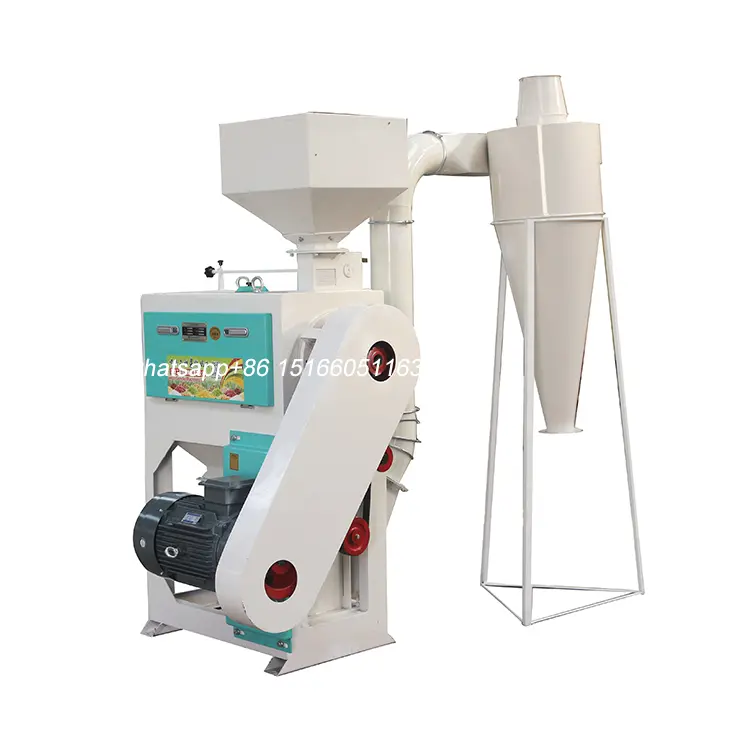
Mini combined rice mills – compact, all-in-one machines ideal for small farmers or local cooperatives.
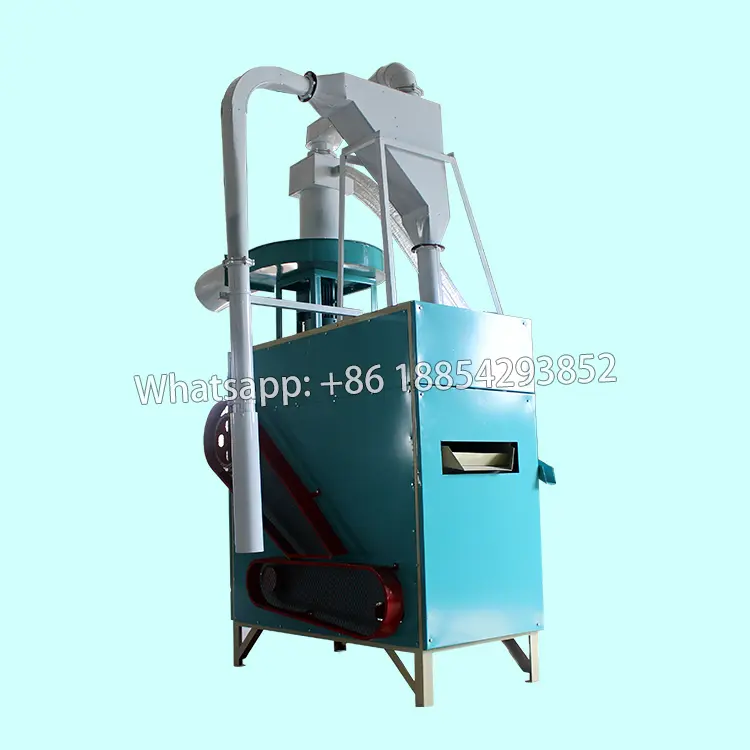
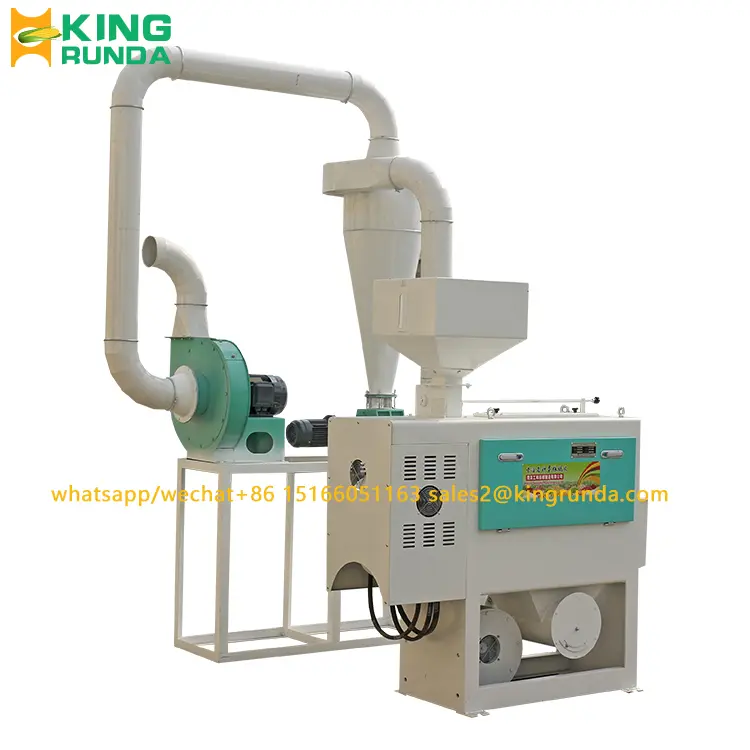
Air-jet rice mills – higher output, better polishing and yield for commercial users.
Automatic industrial rice plants (20–30 tons/day) – for large processors or exporters aiming for premium-grade rice.
Tanzania’s rice-milling equipment market is dominated by imports—mainly from China, India, and occasionally Thailand. Chinese manufacturers provide a wide price range and good cost-performance ratio, making them the leading suppliers for East African buyers.
Rice Milling Machine Price Range in Tanzania (2025 Data)
Pricing in Tanzania varies greatly by capacity, automation level, brand reputation, and included features. The table below summarizes average 2025 market prices based on recent listings from Alibaba, Made-in-China, and Tanzanian import agents.
Table 1: Typical Rice Milling Machine Prices in Tanzania (2025)
| Machine Capacity / Type | Typical Price (USD) | Approx. Price (TZS) | Typical Use / Features |
|---|---|---|---|
| Small-scale | $470 – $1,200 | TZS 1.1 – 2.9 million | Mini rice mills for villages, 300–800 kg/h output. Basic hulling, polishing, grading. |
| Medium (1 ton/hour) | $3,000 – $9,000 | TZS 7.2 – 21.6 million | Commercial rice mills, higher yield, 1–2 TPH, optional whiteners and de-stoners. |
| Industrial (10–30 TPD Plants) | $15,000 – $50,000 | TZS 36 – 120 million | Fully automatic lines, continuous operation, low breakage rate, ideal for processors/exporters. |
| Large Integrated Systems (50 TPD +) | $60,000 – $120,000 + | TZS 144 – 288 million + | Turnkey rice plants with polishers, separators, packaging units, automation control systems. |
Exchange rate used: 1 USD ≈ TZS 2,400 (Nov 2025 average).
Insights:
Mini mills under $1,000 are accessible for smallholder groups and local milling centers.
Medium capacity units dominate Tanzania’s urban rice belts like Morogoro, Mbeya, and Shinyanga.
Industrial setups above $15,000 are typically installed by cooperatives or private investors aiming at export or regional wholesale markets.
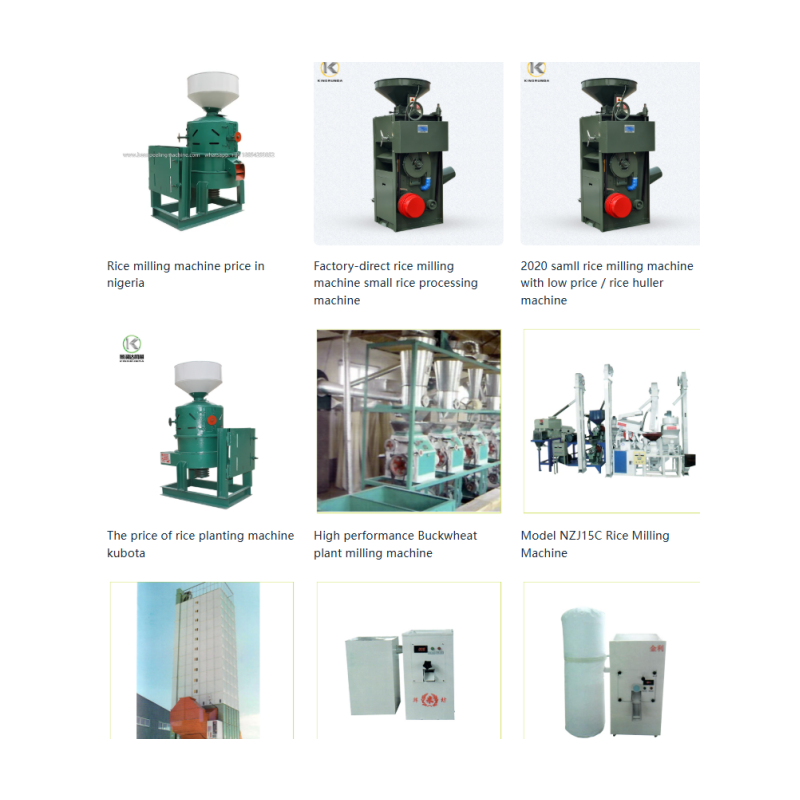
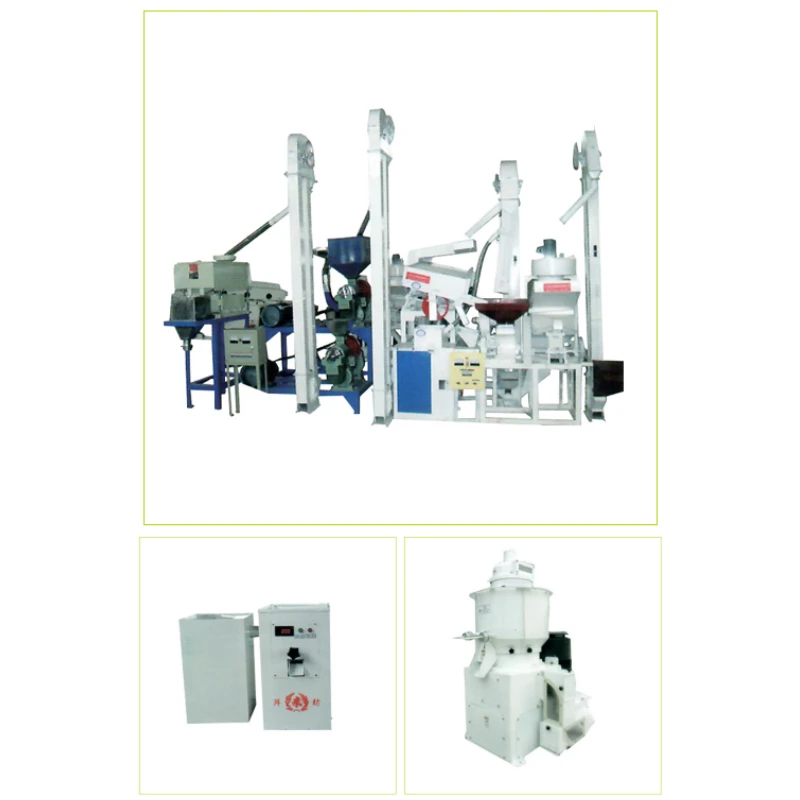
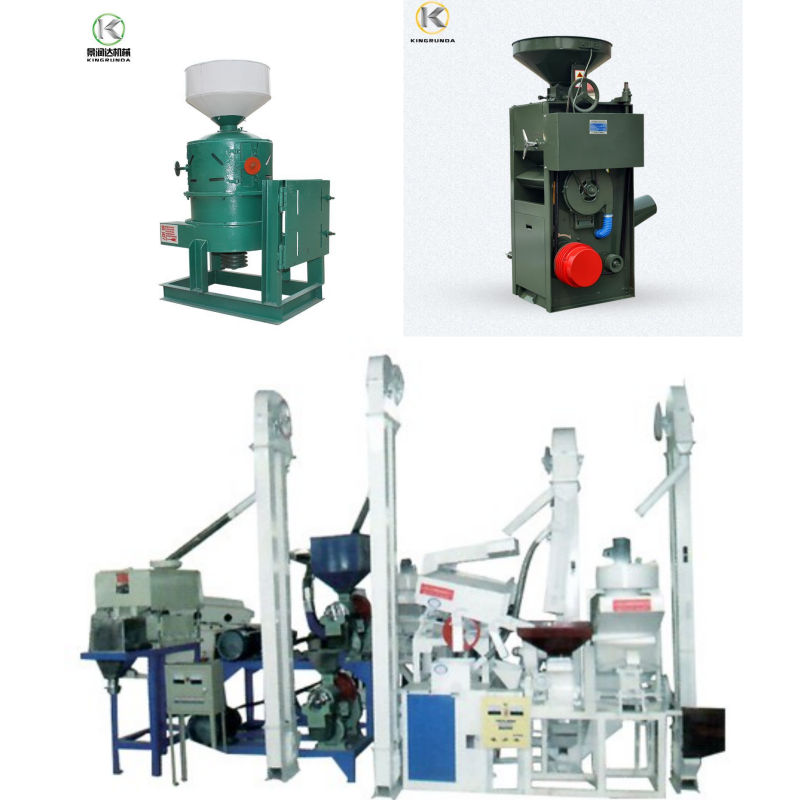
Learn about rice milling machine products of different sizes:
Factory-direct rice milling machine small rice processing machine
Model NZJ15C Rice Milling Machine
White rice graded milling machine from china factory
Factors Influencing Rice Milling Machine Prices
Machine prices are not determined by capacity alone. Buyers should also consider the following key parameters that directly impact cost, performance, and profitability.
Table 2: Key Factors Affecting Rice Milling Machine Price
| Factor | Description | Impact on Price | Typical Range in Tanzania |
|---|---|---|---|
| Capacity / Throughput | Higher capacity → larger motors, robust structure, faster output. | High | Mini 0.5 TPH → Industrial 5 TPH + |
| Automation Level | Includes automatic feeding, polishing, and packaging functions. | High | Manual to full PLC-controlled lines |
| Material Quality | Stainless steel and wear-resistant parts extend lifespan. | Medium–High | Carbon steel to SUS304 |
| Power Consumption | Efficient motors reduce running costs; higher wattage raises upfront cost. | Medium | 7.5 kW to 75 kW depending on size |
| Brand & Origin | Premium Chinese or Japanese brands cost more but offer longer life. | High | 10–25% price variance |
| After-Sales Service & Warranty | Local or remote technical support ensures uptime. | Medium | 6 months – 3 years typical |
| Shipping & Import Duty | Freight, customs clearance, and local taxes add to total cost. | Medium | +10–25% of machine price |
| Spare Parts Availability | Readily available spares reduce downtime. | Medium | Local agents or direct import |
| Energy Source & Infrastructure | Areas with weak grid prefer low-power models or diesel options. | Medium | Varies by region |
Observation:
For Tanzania’s mixed rural and urban environment, mid-capacity semi-automatic machines (costing $3,000–$9,000) strike the best balance between affordability and productivity.
How Tanzanian Buyers Can Choose the Right Machine
Selecting a rice milling machine goes beyond price comparison. Buyers should base decisions on productivity goals, operational conditions, and after-sales support.
1. Match Machine to Business Size
Smallholder farmers: Compact SB series (≤1 ton/hour) units with basic polishing and grading.
Village cooperatives or SMEs: 6NF air-jet rice mills (1–2 TPH) for consistent output.
Industrial processors/exporters: 20 TPD + automatic lines with multiple polishing stages and computerized control.
For more details on rice processing machinery, please visit: Rice Processing Machines: Types, Working Principles and Applications
2. Check Milling Performance Metrics
Milling recovery rate: Should exceed 65–70% of paddy weight.
Broken rice percentage: Premium machines maintain below 15%.
Whiteness index: Above 38% preferred for export-grade rice.
3. Assess Lifetime Cost
The initial price forms only part of total ownership cost. Maintenance, energy use, spare parts, and training can make or break profitability. A reliable supplier with strong service support ensures long-term performance.
Tanzanian Rice Milling Market Outlook (2025–2030)
Government initiatives: The National Rice Development Strategy II (NRDS II) aims to increase domestic rice production to 5 million tons by 2030, implying higher investment in milling technology.
Import substitution & regional trade: Tanzania is positioning to export rice to Kenya, Rwanda, and Congo, requiring higher-quality milling outputs.
Private sector growth: Medium-scale millers are emerging in Mbeya, Mwanza, and Morogoro, often with foreign equipment suppliers.
These trends show sustained demand for reliable rice milling machines and technical expertise over the next five years.
Cost–Benefit Snapshot: Investment Returns Example
To illustrate typical economics, consider a 10 TPD (tons per day) rice milling setup in Tanzania.
| Parameter | Estimated Value |
|---|---|
| Machine investment | $20,000 (TZS 48 million) |
| Milling yield | 68% white rice |
| Paddy processed annually | 3,000 tons |
| Rice output | 2,040 tons |
| Average net profit | TZS 200 per kg |
| Annual profit | TZS 408 million |
| Payback period | < 6 months |
This simplified model shows that with adequate utilization and market access, even medium-scale investments in rice milling can achieve fast returns.
Practical Buying Tips for Tanzanian Investors
Compare specifications, not just price. Machines with similar output may differ greatly in durability or yield.
Request detailed quotations. Ensure the offer includes installation, training, and spare-parts package.
Verify warranty & technical support. Remote support or local agent presence reduces downtime.
Plan for maintenance. Regular cleaning and belt/oil changes protect investment value.
Check energy compatibility. Areas with unstable electricity may require diesel or hybrid power models.
Environmental and Social Impact Considerations
Modern rice milling machinery not only increases profit but also reduces waste and environmental footprint:
Higher milling yield means less by-product waste.
Efficient power use lowers energy consumption.
Cleaner, uniform rice improves food security and market trust.
For rural Tanzania, where rice is both a food and cash crop, adopting modern machinery supports national food-security and poverty-reduction goals.
Recommendation: Partner with a Proven Supplier
Why Qingdao Jingcheng Machinery Co., Ltd. Is a Strong Choice for Tanzania
For buyers seeking proven, cost-effective, and high-quality rice milling machinery, Qingdao Jingcheng Machinery Co., Ltd. (formerly Shandong Kingrunda Machinery Co., Ltd.) stands out as a trusted partner.
Over 20 years of experience in grain and rice milling technology.
Wide product range, from small SB combined rice mills to large fully automated plants.
Professional R&D team of senior engineers ensuring top performance and durability.
Export expertise in over 20 countries, including Nigeria, India, Bangladesh, Indonesia, and other rice-producing regions similar to Tanzania’s conditions.
Turnkey service capability, offering one-stop solutions—from machine design, shipment, installation, to operator training.
Competitive pricing and customization, providing flexible options for both smallholders and industrial processors.
Vision under the Belt and Road Initiative, supporting win-win cooperation and sustainable industrial growth in Africa.
By choosing Jingcheng Machinery, Tanzanian rice processors gain a reliable partner committed to efficiency, quality, and long-term growth—not just a machinery supplier.
Conclusion
The 2025 rice milling machine price in Tanzania depends primarily on capacity and automation level, ranging from $470 for mini mills to $120,000 + for large industrial systems. Investing in the right model can drastically improve rice yield, quality, and profitability.
As Tanzania’s rice sector continues expanding, demand for efficient, low-maintenance milling technology will rise. Businesses that partner with experienced manufacturers like Qingdao Jingcheng Machinery Co., Ltd. can capitalize on this growth—benefiting from world-class engineering, proven reliability, and complete technical support. Feel free to contact Jingcheng Machinery.